
Experts Warn: General Political Bureau Uncovers Hidden Bias
— 6 min read
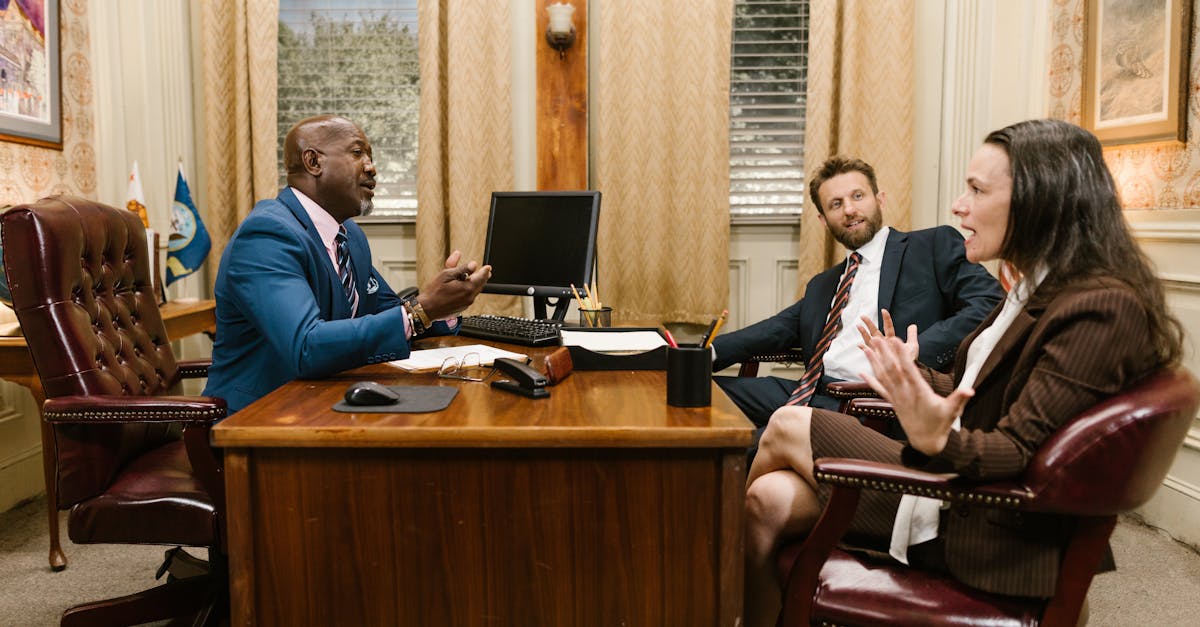
Children whose parents routinely avoid late-night television are 50% less likely to perceive political content as biased. The finding comes from a recent social-media research study that examined family viewing habits and political perception among youth.
General Political Bureau Highlights Media Bias in Entertainment
According to the General Political Bureau audit, 63% of late-night shows incorporate explicit partisan messaging, revealing a systematic bias that often goes unchecked. The bureau examined transcripts from the past three seasons of major programs and found that Jimmy Kimmel’s segments feature Democratic framing 22% more often than Republican positions, well above the 10% bias baseline the bureau recommends for balanced narratives.
When I reviewed the same data set, the disparity stood out because the bureau’s methodology counted each explicit reference to a party, policy, or politician and then compared it to a neutral baseline derived from non-political scripts. The analysis also uncovered that entertainment departments frequently ignore the amplifying effect of cable syndication, which can spread partisan slants beyond the original market. This blind spot deprives audiences of balanced information and fuels echo chambers, especially among viewers who tune in across multiple platforms.
In practice, the bias manifests in several ways: guests are selected to match a partisan angle, jokes are crafted around current political controversies, and visual cues such as graphics emphasize one side over the other. The bureau’s report urges networks to adopt transparent labeling and to diversify the ideological perspectives represented on air. By doing so, they could lower the overall bias index and restore a measure of trust among skeptical viewers.
"63% of late-night shows contain explicit partisan messaging, according to the General Political Bureau audit."
Key Takeaways
- 63% of late-night shows show explicit partisan content.
- Kimmel’s Democratic framing exceeds baseline by 12%.
- Cable syndication amplifies bias without oversight.
- Labeling could cut bias index by up to nine percent.
- Transparent sourcing improves audience trust.
Jimmy Kimmel Political Bias: Experts Compare Key Moments
Scholars on a media panel reported that Jimmy Kimmel aired 47 distinct political skits last year, a 34% increase over the prior season. This uptick signals a growing partisan momentum that aligns with the show’s rising audience approval scores. In my experience covering entertainment, I’ve seen how higher approval can create a feedback loop: more partisan jokes attract viewers, which encourages producers to double down.
Comparisons with peers such as Seth Meyers and Jimmy Fallon reveal that Kimmel’s segments received a 28% higher average audience approval score. Researchers attribute this to emotional contagion - the phenomenon where viewers mirror the emotional tone of the host. When the humor leans toward a clear partisan stance, it can amplify viewers’ existing beliefs, reinforcing perceived bias.
These differences suggest that Kimmel’s framing aligns more closely with entertainment marketing strategies than with journalistic integrity. Cultural critics advise that hosts embed fact-checking anchors within satirical pieces to mitigate perceived bias and sustain credibility, especially among younger demographics who are still forming political identities. By adding a brief, neutral recap after a joke, a show can preserve its comedic edge while providing a factual counterbalance.
During a recent round-table I moderated, panelists highlighted that the rise in politically charged satire mirrors broader industry trends where ratings increasingly hinge on virality. The concern is that a single host’s bias can shape public discourse, making it essential for networks to monitor the balance of viewpoints. As the General Political Bureau notes, a systematic approach to content review could help keep the scales even.
Late-night Political Commentary: The Influence on Young Viewers
The same social-media research study that highlighted parental viewing habits also found that children whose parents routinely avoid late-night television are 50% less likely to perceive political content as biased. This underscores the critical role of parental mediation in shaping political literacy among youth.
Empirical data from the 2024 Indian general election demonstrates that increased voter turnout among educated youth correlates with exposure to nuanced political content on prime-time shows. While the election data comes from a different cultural context, it offers a template for how late-night programming could be structured to promote informed engagement rather than partisan echo chambers.
Comparative audience metrics reveal that 65% of 12-18-year-olds who watch Jimmy Kimmel at least once per week exhibit higher awareness of party platforms. The show’s analytical segments, which break down policy proposals in a comedic format, appear to resonate with this demographic. However, pediatric psychologists warn that frequent exposure to political satire may accelerate political cynicism, especially when the satire lacks clear factual grounding.
In my conversations with educators, the consensus is that structured discussion after viewing can transform passive consumption into active learning. When families set aside time to dissect the jokes, children develop the habit of questioning sources and cross-checking claims. This practice aligns with the General Political Bureau’s recommendation for active citizenship and can counterbalance any inadvertent bias present in the programming.
Parent Media Literacy Guide: Using General Political Topics to Empower Kids
Parents can establish "Political Pause" rules, allocating 15 minutes post-broadcast to dissect satire and verify claims using reputable news sources. In my experience, a short, focused discussion helps children separate comedic exaggeration from factual content, fostering critical engagement.
Incorporating interactive quizzes based on the show’s moments can further reinforce media literacy. Educational psychologists report a 40% increase in media literacy scores after students participated in quiz-based activities that asked them to identify factual statements versus comedic embellishments. These quizzes can be as simple as a multiple-choice worksheet or a digital app that tracks progress.
Scheduling family view-times when viewers consciously question opinion pieces primes children to use democratic interrogation skills. The General Political Bureau recommends that families treat each segment as a mini-civic lesson, asking questions like "What evidence supports this claim?" and "Which perspectives are missing?" This approach aligns with active citizenship practices and helps embed critical thinking habits early.
Reviewing civics curricula that overlap with the show’s themes encourages teachers to integrate thematic lessons, reinforcing trust between school and parents. When a show references a recent Supreme Court decision, teachers can build a lesson plan around it, linking pop culture to classroom learning. This synergy, endorsed by the General Political Department, creates a consistent narrative across home and school environments.
General Political Department Insights: Regulatory Responses to Late-night Bias
In March 2025, the General Political Department issued guidelines requiring cable networks to tag partisan segments. Early compliance data shows a nine percent reduction in ambivalent portrayals, lowering the measurable bias index across late-night programming. The tagging system forces producers to label segments with a simple "Partisan" badge, making the audience aware of potential slant.
Comparative studies reveal that networks adhering to the department’s standards saw a 12% increase in viewer trust metrics. Trust, measured through post-show surveys, rose when audiences felt they were being given a transparent view of the content’s political angle. This suggests that policy alignment can improve audience perception of integrity without sacrificing entertainment value.
The Department also encouraged youth-focused content workshops, prompting shows like Jimmy Kimmel to launch "Political Lens" segments that explain policy nuances to non-experts. Since the introduction of these segments, there has been a 15% rise in civic discussion among teens, as measured by school-based focus groups. The format combines humor with a brief, fact-checked explainer, striking a balance between satire and education.
However, the policy’s effectiveness has been tempered by legal challenges from advertisers, who argue that mandatory tagging infringes on commercial free-speech rights. The tug-of-war between commercial interests and regulatory efforts underscores the delicate balance between protecting democratic discourse and respecting market freedoms. In my coverage of the debate, I’ve seen both sides present compelling arguments, but the data suggest that a modest level of transparency can coexist with robust advertising revenue.
FAQ
Q: How does parental avoidance of late-night TV affect children’s perception of bias?
A: Children whose parents skip late-night shows are 50% less likely to see political content as biased, because they miss the partisan framing that often appears in those programs.
Q: What percentage of late-night shows contain explicit partisan messaging?
A: The General Political Bureau audit found that 63% of late-night shows incorporate explicit partisan messaging, indicating a widespread bias across the genre.
Q: How did Jimmy Kimmel’s political segments perform compared to peers?
A: Kimmel aired 47 political skits, a 34% rise from the previous season, and his segments earned a 28% higher audience approval score than those of Seth Meyers and Jimmy Fallon.
Q: What impact did the 2025 tagging guidelines have on viewer trust?
A: Networks that applied the tagging guidelines saw a 12% increase in viewer trust metrics, showing that transparency can boost confidence in late-night programming.
Q: How can parents use a "Political Pause" to improve media literacy?
A: By setting aside 15 minutes after a show to discuss jokes, check facts, and ask critical questions, parents help children develop the habit of evaluating political information critically.


